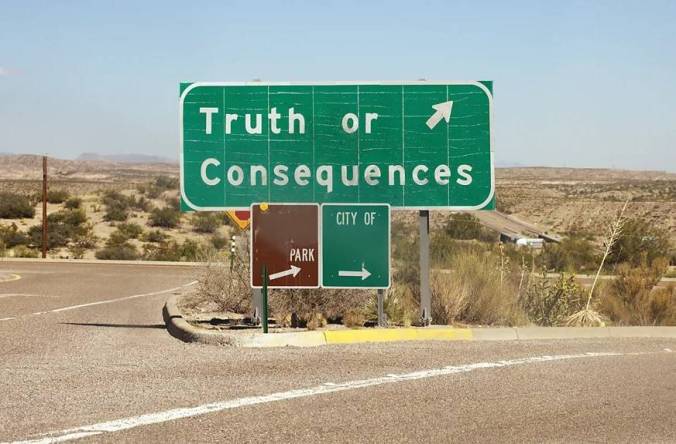
Changing the name of a town can have a negative impact due to significant financial costs, loss of historical identity, community polarization, and administrative confusion.
While often driven by a desire to rectify colonial or apartheid-era legacies, these changes frequently meet resistance because they are seen as expensive, divisive, and superficial. Here are the primary reasons a town or city name change can have a negative impact:
1. High Financial and Economic Costs
• Infrastructure Replacement: Replacing road signs, maps, directional signs, and municipal stationery requires substantial budget, which critics often argue should be spent on service delivery. • Business Expenses: Local businesses must bear the cost of changing their addresses on marketing materials, stationery, and legal documents. It can also cause confusion for deliveries and mail. • Tourism Impact: Established names often carry branding value; changing them can lead to a loss of tourist recognition and income.
2. Social and Cultural Disconnection
• Loss of Identity and Heritage: Many residents have a deep, personal connection to a town’s name, viewing it as part of their heritage. Changing it can feel like erasing their history. • Community Polarization: Rather than promoting unity, renaming can create divisions between those who support the new name and those who prefer the old, particularly along racial or political lines. • Resistance and Resentment: If public consultation is perceived as inadequate or forced, it can lead to community anger and legal challenges.
3. Administrative and Logistical Confusion
• Navigation and Maps: It takes years for new names to be updated on all maps, GPS systems, and address databases, causing confusion for residents and visitors. • Legal Documentation: Title deeds, legal records, and personal documents may need to be officially updated, leading to bureaucratic burdens for residents.
4. Perceived Lack of Practical Benefits
• Superficial Change: A common criticism is that name changes are merely symbolic acts by the government that do little to fix practical issues like infrastructure, poverty, or unemployment. • Focus on the Past: Critics argue that focusing on changing names prevents a focus on building a future, acting more like a "toponymic purge" than a process of reconciliation.
Despite these negatives, proponents often argue that such changes are essential for restoring dignity, acknowledging indigenous history, and repairing the psychological damage of past regimes. If your focus is an the past and you don’t care about waisted money that could have uplifted communities then name changes will not bother you.
However, we can be stronger together by focusing on the future and building a better future for all.