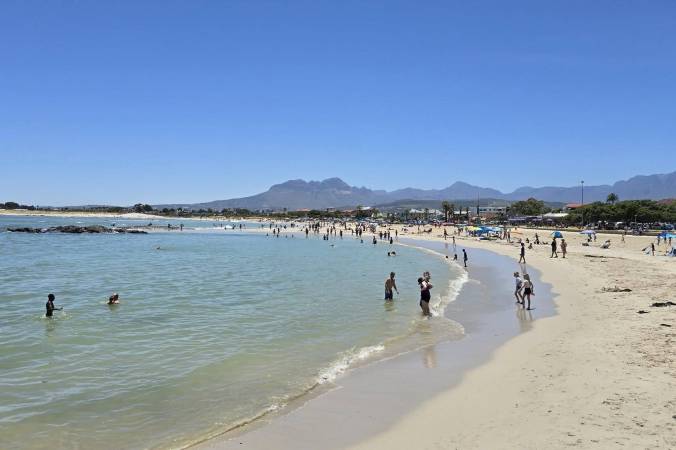
Crowded beaches present several negative aspects for visitors, local communities, and the environment, ranging from a degraded experience and safety concerns to significant ecological damage.
For Beach Visitors and Local Communities
Overcrowding and Congestion:
A high density of people means less personal space, long queues for amenities, and difficulty finding a spot to relax. The increased traffic (both foot and vehicle) can also cause gridlock in surrounding areas. Noise Pollution:
Large crowds, loud music from nearby events, and screaming children can make the experience noisy and less relaxing, negating the tranquil atmosphere people often seek at the beach. Reduced Safety:
A busy environment can be a dangerous combination, increasing the risks of accidents, especially for unsupervised children in the water. Overcrowding can also lead to unsafe situations with too many boats, jet-skis, or vehicles on the beach. Litter and Unsanitary Conditions:
Crowds generate significant amounts of waste, including plastic, cigarette butts, food containers, and even hazardous items like broken glass or needles, which often end up in the sand or water. Strained Infrastructure:
High visitor numbers can overstretch local resources like water, waste management systems, and public transport, which may not be designed to handle mass tourism. Erosion of Local Culture and Tensions:
In tourist hotspots, local culture can become commercialized and residents may feel a sense of malaise or that their communities are lost to "tourist theaters," leading to tensions. Increased Costs:
Popular beach areas often have higher property values, expensive insurance premiums, and elevated prices for local goods and services.
For the Environment
Habitat Degradation, Biodiversity Loss:
Constant human presence and activity lead to physical disturbance, such as the trampling of intertidal zones, which damages sensitive ecosystems like coral reefs and seagrass meadows. This loss of key habitats compromises shoreline stabilization and fisheries support. Pollution and Water Quality Issues:
Sunscreen chemicals (like oxybenzone), sewage discharges, and polluted runoff from nearby areas can contaminate the water, causing coral bleaching, inhibiting seagrass growth, and posing public health risks. Disruption of Wildlife:
Noise and artificial light pollution from crowds can disorient wildlife, such as sea turtle hatchlings trying to find the sea, and force shorebirds and other animals to change their feeding and nesting patterns. Erosion:
Foot traffic compacts the sand, weakening its ability to filter water and increasing vulnerability to erosion. Invasive Species:
Disturbed beach environments are more prone to colonization by invasive species, which can further reduce native biodiversity.
Enjoy the times, but take care and avoid crowded beach.